

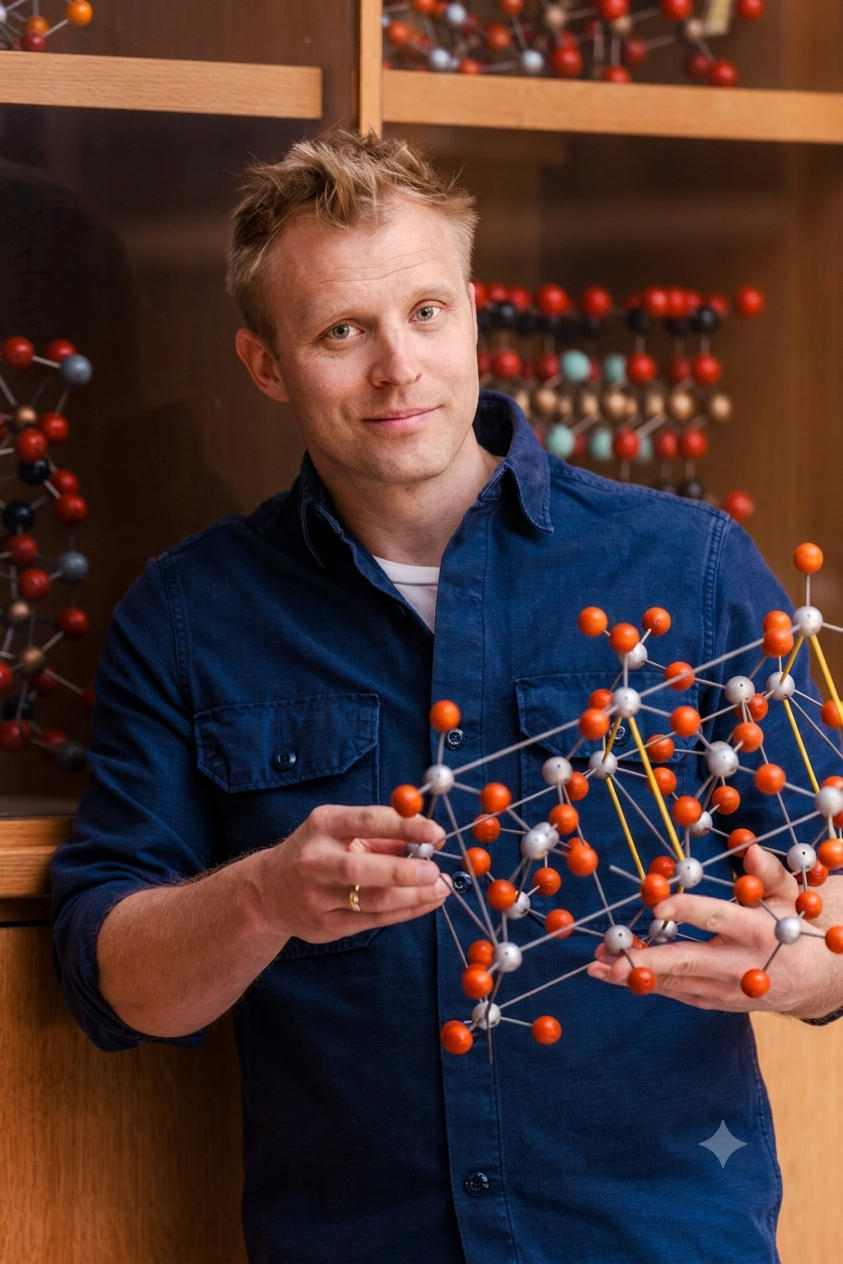
Noah Planavsky, PhD
Noah Planavsky is a Professor in the Department of Earth & Planetary Sciences at Yale University and a faculty member and a member of the Scientific Leadership Team at the Yale Center for Natural Carbon Capture (YCNCC). He is also a Principal Investigator of the Yale Geochemistry Center.
Dr. Planavsky is a geochemist studying environmental change across Earth's past, present, and future, combining field studies, analytical chemistry, novel isotope systems, and geochemical modeling. His current work focuses on the measurement, reporting, and verification (MRV) of durable geochemical pathways for carbon dioxide removal.
Professor Planavsky serves on the Andes Scientific Advisory Board as an independent advisor and receives no compensation, equity, or other financial interest in connection with this role.
Google Scholar
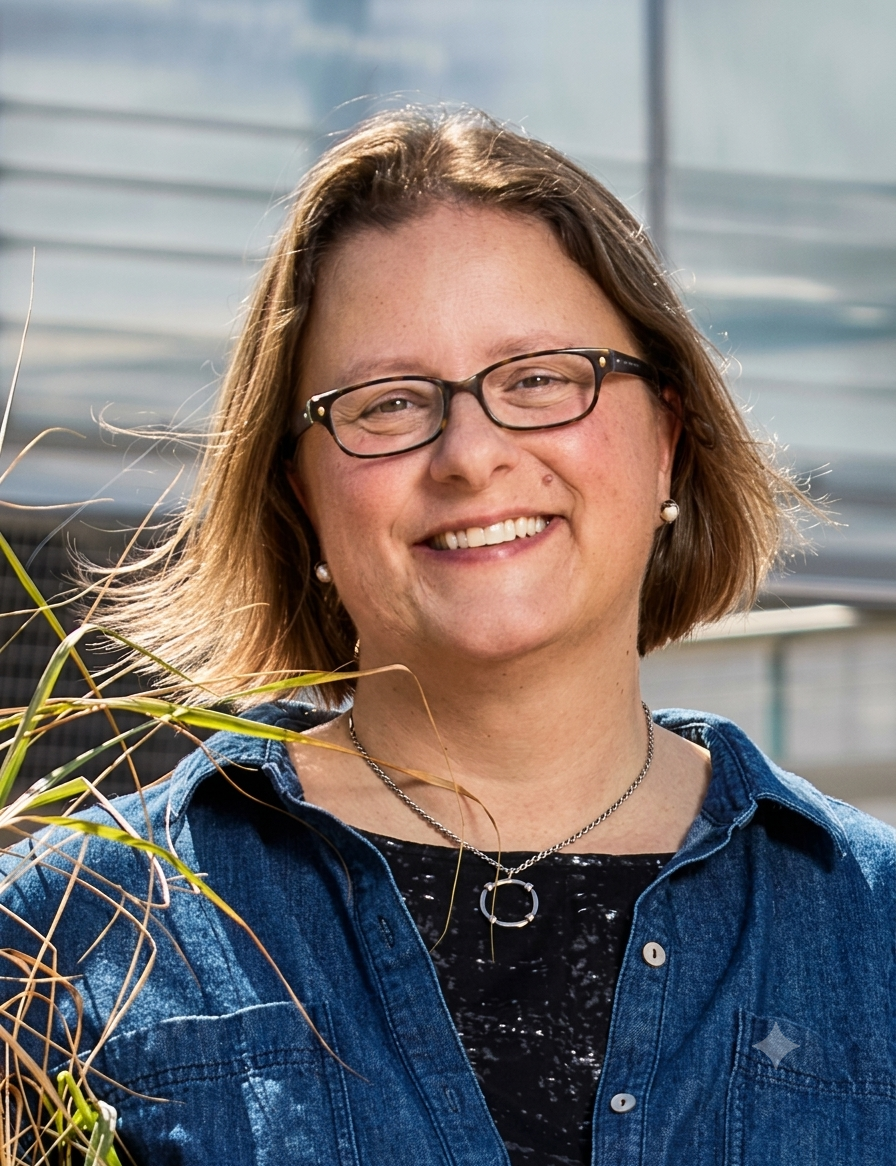
Jennifer Pett-Ridge, PhD
Jennifer Pett-Ridge is a Distinguished Member of the Technical Staff, Physical and Life Sciences Directorate at Lawrence Livermore National Laboratory (LLNL), the Director and Lead Scientist of LLNL Carbon Initiative, Principal Investigator of DOE Soil Microbiome SFA “Microbes Persist“ and DOE Energy Earthshot Research Center “Terraforming Soil”, Adjunct Full Professor in the Life & Environmental Sciences Department at UC Merced, and Investigator at the Innovative Genomics Institute at UC Berkeley.
Dr. Pett-Ridge studies climate change effects on soil biogeochemistry and environmental microbial communities, and the role of microbial ecophysiology, redox, and rhizosphere plant-microbe-mineral interactions in shaping soil carbon persistence. She also led "Roads to Removal", a national county-level assessment of carbon dioxide removal capacity and costs in the USA.
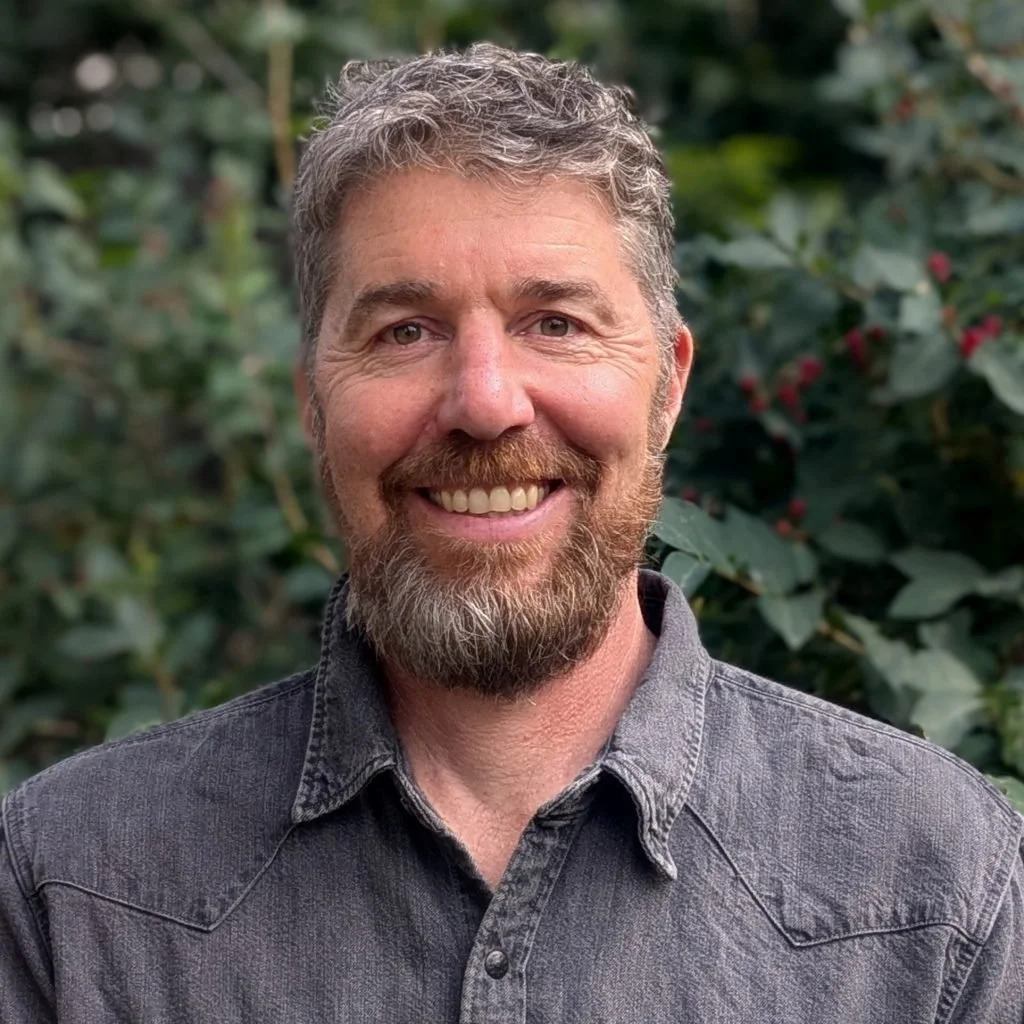
Noah Fierer, PhD
Noah Fierer is a professor in the Ecology & Evolutionary Biology (EBIO) department and a fellow of the Cooperative Institute for Research in Environmental Sciences (CIRES) at the University of Colorado Boulder, where he also directs the Center for Microbial Exploration.
One of the most widely cited researchers in microbial ecology, Dr. Fierer studies the distribution and roles of microorganisms across diverse environments and their influence on the health and function of ecosystems, plants, and animals. His work on the biogeography of soil microbial communities and the biogeochemical processes they drive has helped define modern soil microbiology.
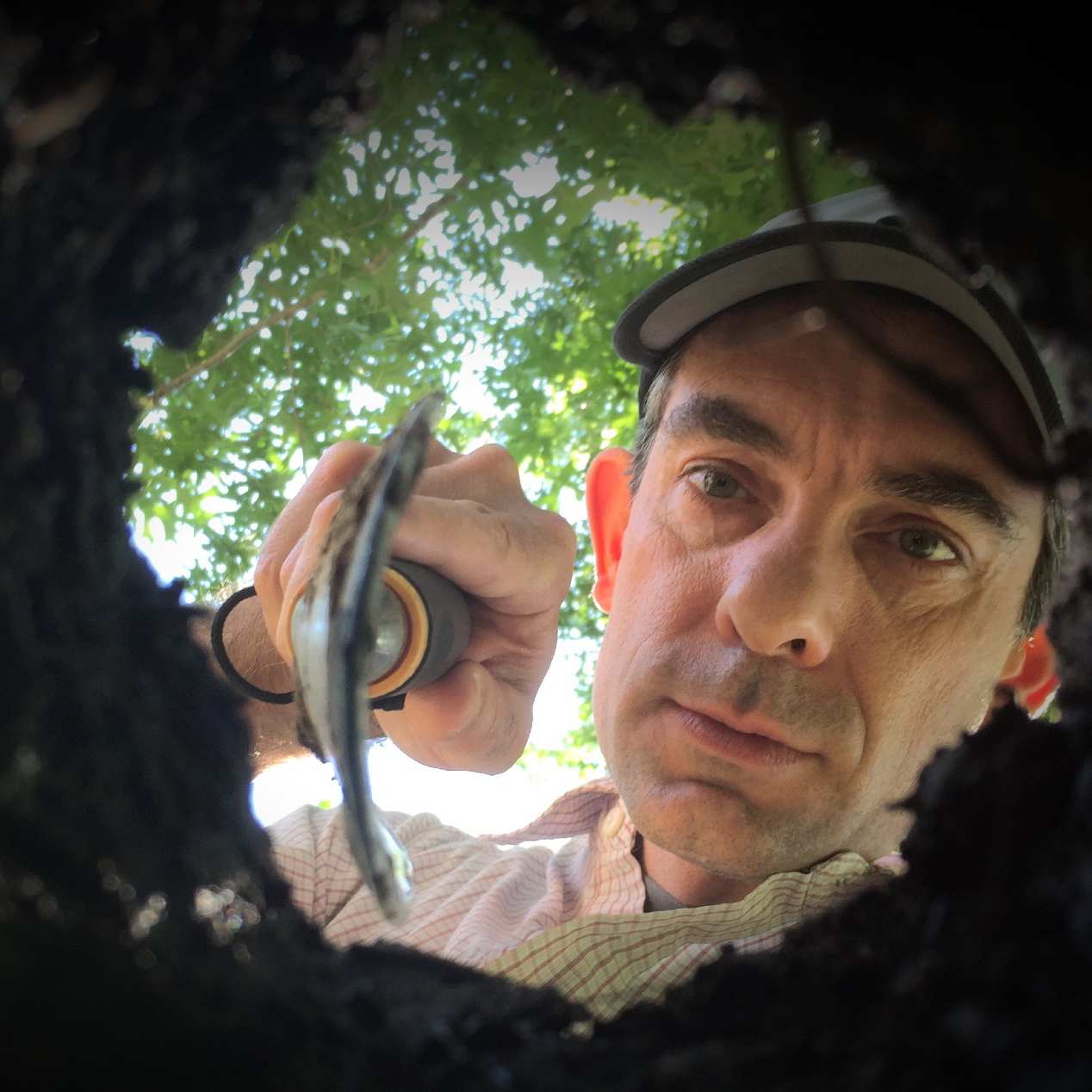
Daniel Breecker, PhD
Daniel Breecker is a professor in the Department of Earth and Planetary Sciences at the Jackson School of Geosciences, The University of Texas at Austin, where he holds the Dave P. Carlton Centennial Professorship in Geology.
Dr. Breecker studies biogeochemical processes occurring at or near the land surface, on timescales ranging from seasonal cycles to hundreds of millions of years. Much of his work centers on the formation of calcium carbonate in soils and caves and the stabilization of organic carbon in soils, combining field observations, laboratory and modeling work, and stable isotope geochemistry. Through the study of soils, paleosols, and cave deposits, his group develops paleoclimate proxies and reconstructs how Earth's climate and carbon cycle have changed across geologic time.
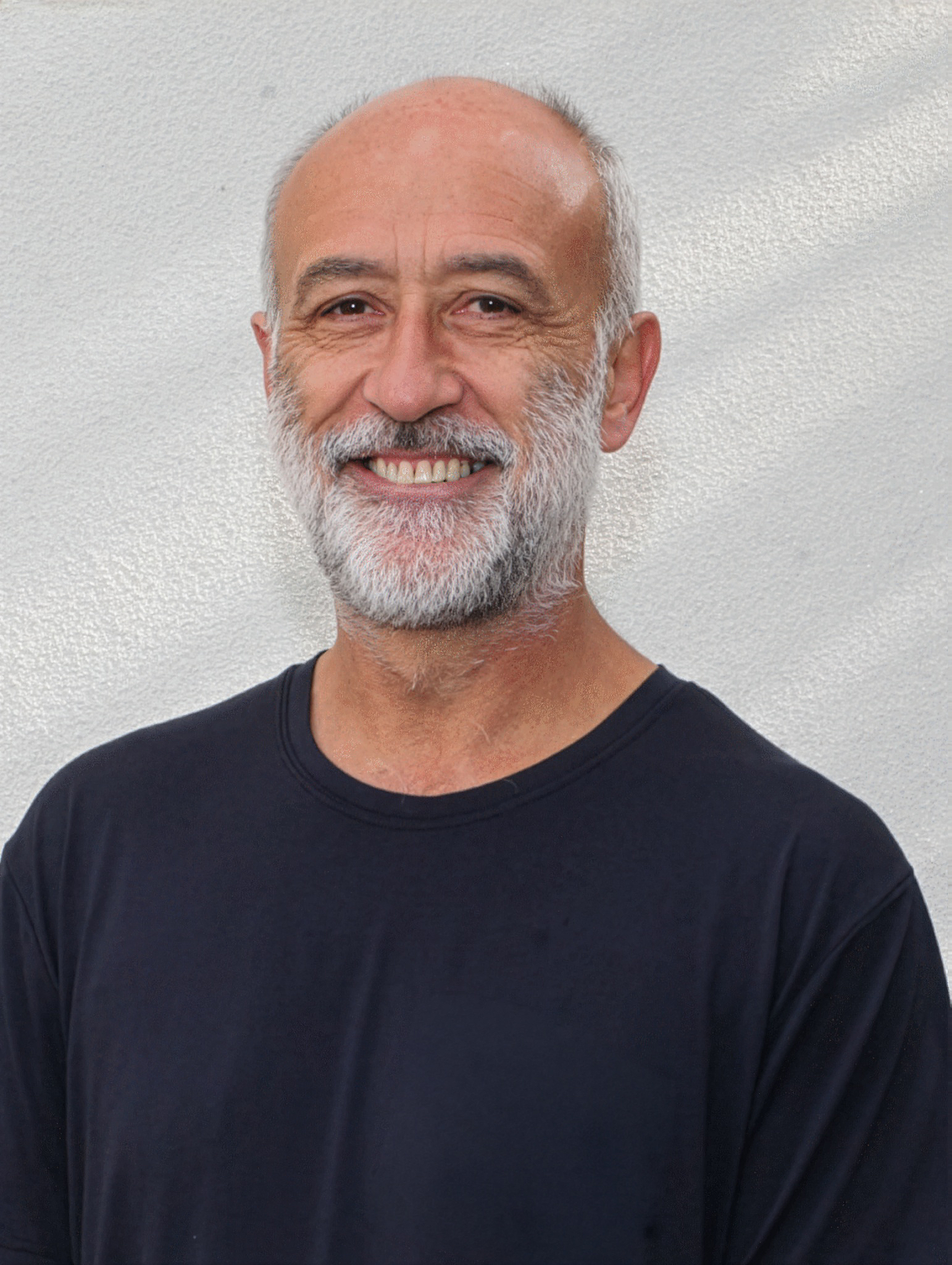
Bernardo González, PhD
Bernardo González is a professor of bioengineering in the Faculty of Engineering and Sciences at Universidad Adolfo Ibáñez in Santiago, Chile, where he also serves as Research Director. He is an environmental microbiologist whose research career spans more than three decades.
Dr. González's research integrates environmental microbiology, microbial biotechnology, and plant-microbe interactions, with a particular focus on the beneficial relationships between plants and microorganisms, including how plant growth-promoting bacteria enhance crop growth and resilience to environmental stress. His group also investigates the role of microorganisms in environmental decontamination, from conventional and emerging pollutants to microplastics, across settings ranging from extreme environments such as salt flats to the built environment.
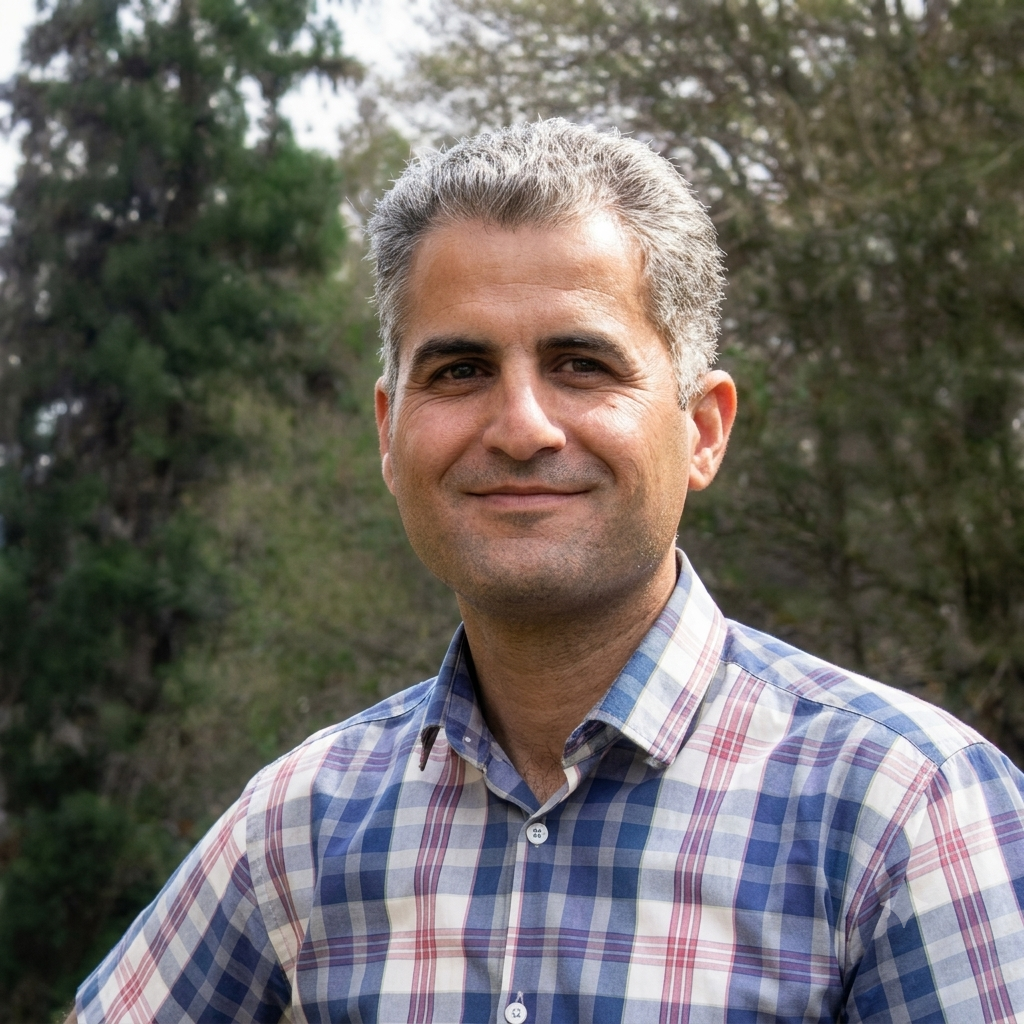
Kazem Zamanian, PhD
Kazem Zamanian is a Postdoctoral Fellow at the Institute of Earth System Sciences, Section Soil Science, at Leibniz University of Hannover, Germany. As a soil scientist, he is a leading expert on how agricultural practices, including fertilization and liming, affect the dynamics and stability of soil inorganic carbon (SIC).
Dr. Zamanian's research examines the role of soil inorganic carbon in the global carbon cycle and climate, including how carbonate minerals and dissolved CO₂ species respond to land use and management across agroecosystems, urban areas, and marginal lands. His work spans the formation mechanisms of pedogenic carbonates, the movement of carbon and nitrogen through the unsaturated zone, and the concept of anthropedogenesis (soil development driven by human intervention).
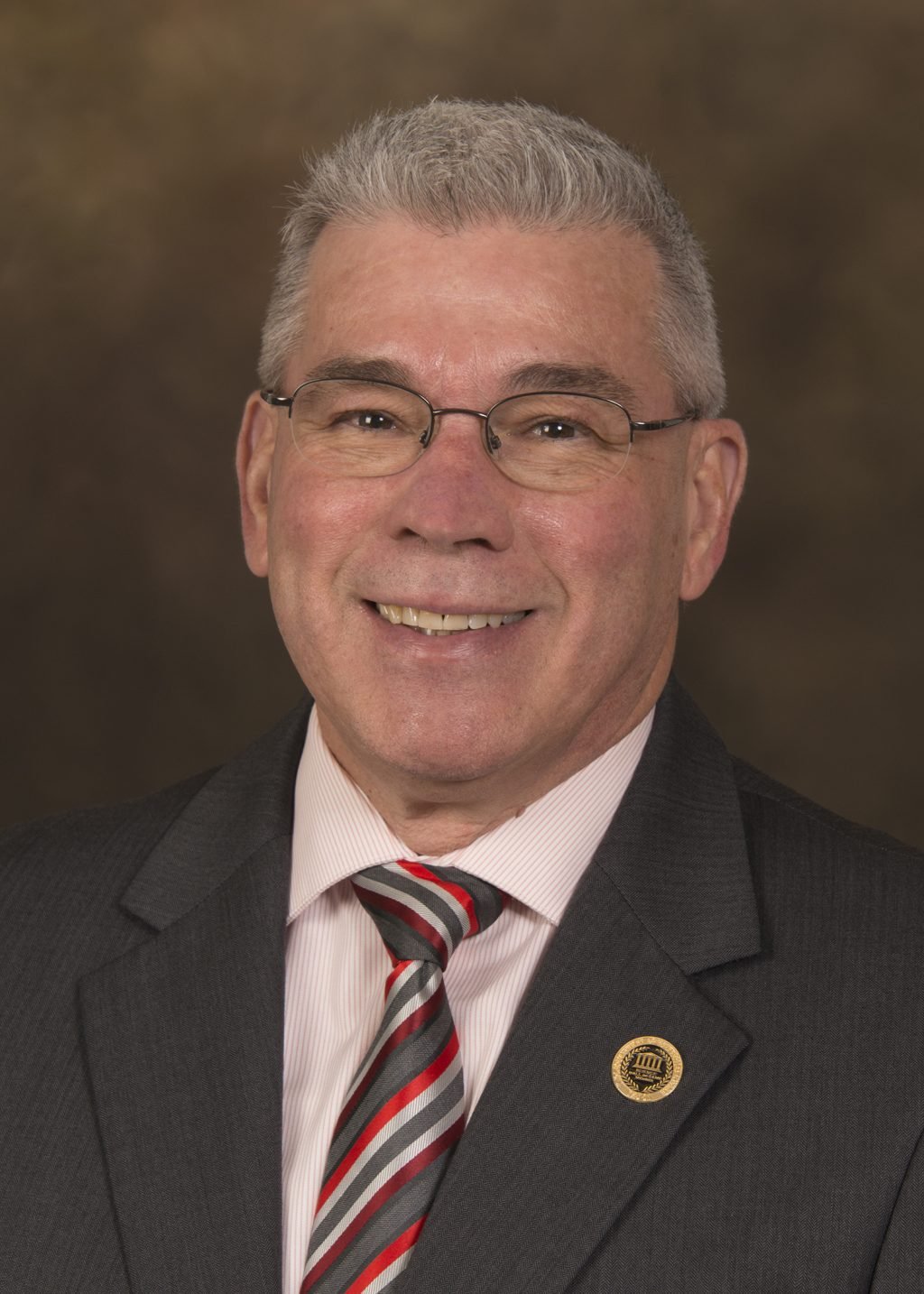
Jerry Hatfield, PhD
Jerry Hatfield is a retired USDA Director with a PhD in agricultural climatology from Iowa State University and over 45 years of experience.
Dr. Hatfield's research interests center around the interactions among the components of the soil-plant-atmosphere continuum and their linkage to air, water, and soil quality. His focus has been on evaluating farming systems and their response to water and nitrogen interactions across soils and evaluating remote sensing methods to quantify spatial variation within fields for application to risk management tools.